Archives!


When we spoke to our new Operations Manager about a cafe at Family Welfare back in September, plans were still at an early stage.

Since then, the project has gathered pace. The cafe has been decorated, fitted with brand new equipment, air-conditioning, and staff recruited. Now we have some exciting news to share. The Comfort Cafe, as it’s been named by young people, is now officially open for business! On Monday 31 January 2022, we opened our doors to the local community and everyone is welcome.

Painted in calming blue, the Comfort Cafe is a safe and welcoming haven away from home, school, college or work. It’s a place where people of all ages who are lonely, isolated or vulnerable can make friends. A destination where anyone can arrange to meet friends, have lunch, host meetings/events or escape the trials and tribulations of everyday life. All whilst enjoying a variety of food and drink.

The young people of Wigan and Leigh asked and we delivered

The concept of starting a mental health cafe emerged out of a consultation with more than 2000 young people and service providers across the Borough of Wigan. Improving mental health services came out as a top priority. With long waiting lists for those seeking mental health support, the idea of creating an informal safe space where people could seek friendship and support came alive.

To help us understand what facilities and activities young people wanted from the cafe, we recruited a Steering Group. One of their first tasks was to name the space – and the Comfort Cafe was born!

Calming and welcoming facilities

Based on the first floor of the Adult Learning Centre in Leigh, the cafe has a dedicated comfort corner with comfortable seating. There’s free wifi and hopefully in the future, phone charging points, plus activities open to young people, from books and card games to board games and games consoles.

The team behind the scenes

Michelle Daniels is our Cafe Supervisor. She joins Family Welfare with 22 years’ catering experience. She’s worked in restaurants, hotels, care homes and been involved in every aspect of catering management and operations. Her challenge now is to develop the cafe into a safe space for the whole community to use, relax and enjoy themselves – and she can’t wait to get stuck in and meet her customers.

Michelle has been working closely with our Youth Worker Dan Zahler, and the Youth Steering Group to understand what food and drink they would like to see on the cafe menu.

Michelle says, “We’ve done our very best to deliver what the steering group asked for, both within the cafe environment and in the food and drink we serve. You’ll find a variety of things to eat from jacket potatoes, paninis and salads to sandwiches and pasties. We have healthy, nutritious and affordable options to suit most people’s tastes.”

Since joining the team in December 2001, Michelle has been working with our Operations Manager, Dan Perks, to transform the cafe from a shell to the most warm and welcoming space in the building. It’s now the place where everyone wants to hang out!
Michelle also has big plans for the future, including teaching life skills like cooking and budgeting. As the cafe grows, she also hopes to extend the menu and opening times reach more pockets of the community. From community groups looking for a new base to people who pop in for cup of tea and a chat.

Could you be a Comfort Cafe volunteer?

Michelle is on the lookout for volunteers to join her in the Comfort Cafe. The role includes serving, waiting on and clearing tables, and some food preparation. If you can spare a few hours for a couple of days a week, please get in touch with Michelle for an informal chat.

Family Welfare Comfort Cafe opening times

Monday: 11am – 6.30pm
Tuesday: 11am – 7pm
Wednesday: 11am – 7pm
Thursday: 11am – 4pm
Friday: 11am – 4pm

If you’re in our area, please do pop in. We’re open to the community every weekday during school hours, with dedicated access and activities for young people after 3pm. There’s no need to book. Just drop in to the first floor and say Hello! We’ll get the kettle on.
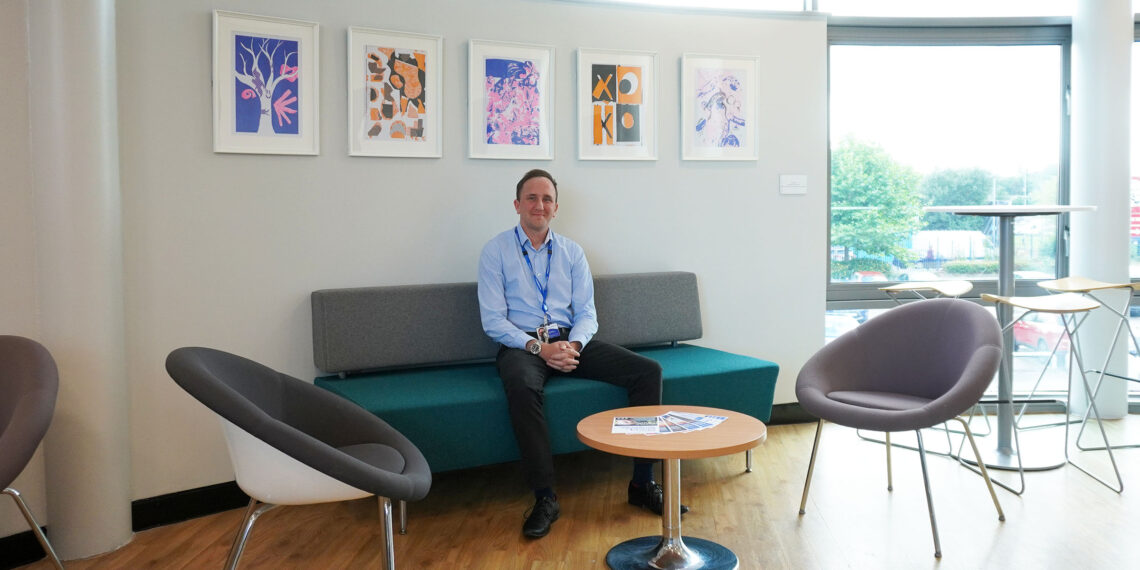
At Family Welfare we’re lucky to have some wonderful and valued volunteers who support the work of our core team. But there’s always room for one more! We sat down with Volunteer Advocate, Liz Dodson, to find out about her story. She tells us how much she enjoys using her experience to give young people a voice – and still has time to look after her four grandchildren!

If you’d like to know more about volunteering at Family Welfare, you can contact the team on 01942 867888 or email admin@familywelfare.co.uk

How did you hear about the work of Family Welfare?
I was working as a volunteer youth mentor with Wigan Youth Services. I attended an awareness session hosted by Wigan Council in which Stuart Parsons, Family Welfare’s Chief Executive Officer explained all about the charity and the openings for volunteers. His words resonated with me and the volunteer advocate role he described was the perfect match for my skillset.

How is the role of volunteer advocate a good match for you?
I used to work at Barnardo’s where I was responsible for setting up the Children’s Rights and Advocacy Services for looked-after children. I trained young people who had been through the experience themselves to train the Local Authority Children’s Services staff, including managers and councillors. Their honest accounts and real-life experiences were invaluable.

Being a volunteer advocate is all about giving young people a voice by listening to their views, wishes and feelings. I love what the role stands for and it feels good to continue using my skills and experience to support young people.

Can you tell us a bit more about the children you’ve been supporting?
I can’t discuss individual cases for confidentiality reasons, but the young people I represent are generally going through challenging family situations. They could be in a care home or living with a foster family, or their parents might be going through a divorce, or fighting over access rights. Whatever the situation, my role is to ensure the young person’s voice is heard by the relevant authorities, carers, parents or legal team.

Describe a typical day as a volunteer advocate
There’s no such thing as a typical day! I volunteer at Family Welfare up to two days a week. I work every Tuesday and split my remaining hours over the rest of the week. This gives me flexibility to schedule appointments with young people when they want to see me. On the Tuesday I can either be in the office writing up reports, making calls from home, or out at appointments with children, social workers, schools or Children’s Services.

My priority is always to ensure the young person feels comfortable, secure and able to speak openly about their situation. To help with this, I offer to meet at a neutral venue like their school or invite them to our Family Welfare offices where we have some warm and welcoming private spaces to chat.

How do you fit volunteering around family life and other activities?
I’ve been volunteering for 6 months now and it fits perfectly into my lifestyle. I keep the Advocacy team up to date on my movements: so they always know where I am and what I’m working on. The team put complete trust in you to manage your own time. It’s very fluid and I enjoy that. If I need to rearrange things to look after my grandchildren, I can.

What advice would you give to someone who’s thinking about volunteering at Family Welfare?
You don’t necessarily need a career background in the area you want to work. Everyone gets training on legislation, safeguarding and the various situations you might encounter. Being an advocate is about providing a voice for someone who is finding it difficult to make their voice heard. If you feel passionate about this, that’s all you need to succeed.

What kind of person is suited to advocacy work?
As I’ve said, experience in the field isn’t necessary. That said, former teachers and pastoral care workers can make great advocates. Generally, anyone who has a child’s interests at heart and can see things from someone else’s perspective would be a good fit. You also need to be able to block out the views of other professionals and focus entirely on the young person at the heart of the issue.

What’s the best thing about being a volunteer advocate?
The best thing is being able to make a small difference to a young person’s life. In representing them you’re giving them an opportunity to say what they think when decisions are made which directly impact on their lives. Children and Young People, especially those in the Care system often have decisions made for them. The simple act of listening to a young person recording and passing on their views and wishes can be life changing for a young person. I’m happy and proud to be part of the Family Welfare team.

Thank you Liz!

If Liz’s story has inspired you to become a volunteer, contact us on 01942 867888 or email admin@familywelfare.co.uk to find out about our current opportunities.

Introducing Dan Perks, Family Welfare’s new Operations Manager

Since joining Family Welfare as Operations Manager at the start of August, Dan Perks’ feet haven’t touched the ground. We grabbed ten minutes with him to hear about some of the exciting projects he’s involved with, including a brand new café for families, students and business people in Leigh.

So Dan, it’s been four weeks since you joined us. What are your first impressions of Family Welfare?

Like any new role, it’s been an absolute whirlwind. This first month has flown by with meeting all the counsellors and advocates and learning about their crucial work. Although I’m not sure I’ve remembered every person’s name yet! Everyone has been so welcoming and helpful. I can’t speak highly enough of the team here. Nothing is too much trouble for anyone. It’s so refreshing to be part of such a caring team working together for the good of the local community.

What are your main responsibilities in role?

As Operations Manager, I oversee the management of our building which includes everything from ordering new signage and fitting out meeting rooms to organising repairs and maintenance. I’m responsible for making sure the building is a safe and welcoming place to work and visit, and that the communities we serve can access top quality facilities.

On the people side, I’m involved with training and development and making sure everyone has the right tools to do their job. I also work closely with our admin team to manage payroll and prepare reports for our Board and the AGM.

At the moment, a big part of my role is to get the community café fitted out and up and running. I’m recruiting for a full-time supervisor for the café and we’re working towards being open by November, which is not that far away! Overall, I’d say I’m here to help our charity run smoothly.

What can we expect from the café environment?

I can’t reveal too much, otherwise it won’t be a surprise! What I can say is that it will be a warm, safe and welcoming space for students, families and business people to relax or work. There will be plenty of soft furnishings and desks with charging points for phones and laptops. The food and drink menu will be balanced and nutritious to align with our commitment to community health and wellbeing. Food tasting day is going to be a treat!

Where did you work before Family Welfare?

I’ve come here from Clatterbridge Cancer Hospital in Liverpool where I also worked as Operations Manager, managing the logistics of the new hospital site. It was a vast role covering all aspects of back office functions like catering, porters and reception and even blood testing.

Before that, I worked in various roles in retail including HR, retail home delivery operations and store manager. All valuable experience that I will bring to my role here.

Is it true you’ve been visiting other local charities as part of your induction?

Yes, that’s right. Our Chief Officer, Stuart, took me out on a few visits to learn about their operations and see some of the systems and procedures they have in place. One of the things I’d like to do is simplify some of our paper-based processes by upgrading them to digital software, like booking meeting rooms. I think moving things online will make some tasks easier. Visiting the other charities has shown me how this can be done and helped me build new relationships at the same time.

And you’re also working closely with the college on some key changes to the building…

Yes, we share the building with the adult learning college. We are guests here so I’m liaising with the college on new signage for the building and making some changes to improve accessibility for visitors. Soon everyone will know where Family Welfare is and be able to reach us.

From four weeks to four months, what do you hope to achieve by the end of 2021?

Provided we don’t have any delays, the community café will definitely be open by that time. I hope to see the local community using the space and benefiting from its facilities, whether that’s as a place to do homework, host an informal business meeting or have lunch with friends.

I want to put my own stamp on the role and make progress on streamlining some of our systems and processes. If I can make each team member’s life just a little easier, that’s a win for me. Because if the systems behind the scenes work more efficiently, our counsellors and advocates have more capacity to support the families and children who need them.

From a personal perspective, I’m going to be a dad before the year is out so it’s going to be a busy few months!

How can people contact you if they want to know more about any of the facilities?

You can drop me an email on dperks@familywelfare.co.uk

Thank you Dan and welcome to the team!

Family Welfare is fit for the future

Six months on from moving to our new base in Leigh at Wigan & Leigh College, the future of Family Welfare is looking incredibly exciting and bright.

We are slowly opening up the spaces in our new building and colleagues are gradually returning to the office. Our new home brings with it lots of new resources and opportunities. It represents a real wave of change in our organisation.

Rethinking our remit

Another aspect of this change is the name of our charity organisation. Relocating prompted us to think differently about the services we offer and the people we serve. To reflect the geographical areas we work in, Wigan Churches Association for Family Welfare has officially changed its name to Wigan and Leigh Churches Association for Family Welfare.

Our new working name is Family Welfare.

Investors in People

The Family Welfare team was delighted to be awarded Investors in People status earlier this year. Assessors reported strongly positive feedback in meetings with our counsellors, advocates, administrators and volunteers.

Our ethos is to support the community by working as a community. This recognition shows that everyone in our organisation embraces our ethos. The way the whole team pulled together and mobilised at the start of the pandemic, to ensure seamless service delivery, is just one example of this.

Young people’s café opening soon

We operate from the first floor of the Adult Learning Centre in Leigh where our spaces are decorated with vibrant, thought provoking artwork created by young people at The Turnpike arts organisation in Leigh. During the school holidays, students attending The Turnpike produced more artworks for the new café area.

Young people told us they would like a safe place to meet and socialise with friends and we are proud to be able to deliver on their request. Our café will be open as soon as possible at the start of the autumn school term!

Students will be able to visit for breakfast before morning lessons, throughout the day between classes, and after school for Homework Club. Families will also be welcome to visit and while away an hour with friends. The café will be run by youth workers seconded to Family Welfare and a variety of meals and snacks will be on the menu.

Our new building allows us to work more collaboratively and offer valuable services to the community. Families and young people now have welcoming and comfortable areas where they can talk openly to counsellors and get easy access to parental support services.

Introducing Daniel Perks

On 2nd August our new Operations Manager, Daniel Perks, joined the Family Welfare family.

He will be responsible for the day-to-day running and maintenance of the building, including the café, as well as aspects of finance and administration. Daniel will also be your contact if you wish to discuss the booking of meeting or event space.

Look out for more from Daniel soon.

Meeting spaces available to hire for local charities and businesses

We have several meeting rooms and spaces for hire, which are completely free to use for registered local family and children’s charities. Businesses and organisations local to Wigan and Leigh are also welcome to use the spaces for a small fee.

Our large community room is suitable for group events, training and workshops. It will be fully air-conditioned and has a private pod for smaller private meetings or breakout activities. The room can be set up in a variety of formats, including theatre, classroom and boardroom style, and can accommodate up to 25 people.

We also have several private counselling rooms, each one a calm and welcoming space, suitable for one-to-one meetings and small group sessions.

Hot desks allow our team to work flexibly and colleagues from partner organisations to join us when they are in the area.

If you’d like to speak to us about meeting room hire, you can contact us at admin@wiganfamilywelfare.co.uk

There’s a lot going on and lots more still to come. Please keep an eye on this blog for future news and updates. In the meantime, we’ve got a café to kit out!

Volunteering is a brilliant way to learn or build on existing skills whilst giving back to your local community. During the Covid-19 pandemic, a vast army of people stepped up to volunteer and support the work of the NHS – on the front line and behind the scenes. And let’s not forget our vaccination programme – it just wouldn’t have been so efficient or successful without the help of volunteers.

Charities across the UK are always in search of new volunteers – and Family Welfare is no different. Since moving into our new building in Leigh at the Wigan & Leigh College, we’re looking to our local community to get some new support services up and running.

Perhaps the best thing about volunteering is the flexibility. You can give as much or as little time as you can offer, working hours around family life or paid work. If you’re looking for a new challenge, perhaps to learn new skills during academic holidays or to keep busy and active in retirement, a volunteering role can meet your needs at any age.

“There’s a brilliant structure in place to support placements and volunteers. The mentoring, support and positivity I get from my placement manager and the rest of the team is first class. I have access to all the other counsellors and the quality of referrals is fantastic. I get such a buzz out of being here.

If you’re thinking of volunteering at Family Welfare, I would say jump in with both feet! Everybody here is equal. You’re not a volunteer, you’re part of the family.” Martin – Student Counsellor

Feeling inspired?
If you’ve been inspired to give back and support your local community, we have a number of volunteering vacancies at Family Welfare. We’re a warm and supportive team with a common goal to make a difference to the lives of local families.

As we begin operating from our new building this summer, we’re looking for:

Meet and Greet
As a meet and greeter, you’ll be the person that welcomes everyone into our building and café area, answering questions and directing them to where they need to be. You’ll be a good communicator with a friendly, approachable nature – and enjoy meeting and being around people.

Café staff
We’re looking for volunteers to cover café shifts throughout the day, from breakfast through to after school. Roles include counter service, clearing and cleaning tables and kitchen staff. Full training will be provided.

Administrators
You’ll be providing administrative support to the various functions within the Welfare team. You could be answering emails or the phone, supporting events or using your admin experience to help us with funding paperwork.

Advocates
As a volunteer advocate, you would be supporting our trained advocates in their day-to-day work. This involves working with people with mental health issues both on the mental health wards and the community.

Counsellors
You might be a trainee counsellor, below, or already qualified and looking for work experience. Training with us can develop your skills and practical experience as a counsellor.

Interested to know more about volunteering?
If you’d like to learn more about the volunteering opportunities available at Family Welfare, please call us on 01942 867888 or email admin@familywelfare.co.uk. You are welcome to arrange a visit for a chat and look around our incredible new building facilities and café space.

A Volunteer Counsellor’s story

“I couldn’t have picked a better place to volunteer.”

Erica is a Trainee Counsellor at Family Welfare. As part of her training she has to complete 120 hours counselling practise and chose to do this as a volunteer at Wigan Family Welfare.

“I began volunteering for Family Welfare during the first lockdown. I wanted to do something to help my community so I stepped up to make comfort calls to people who were isolated, shielding or living alone. I already knew about the charity’s incredible work but this was a real eye-opener – a very rewarding thing to do.

When the opportunity came up to do my practical training here, it was a natural choice. Family Welfare cares for every sector of society in the same way you would take care of a family member. Their values are shared with my own and I truly admire what they are trying to accomplish in the community.

My client counselling sessions are all supervised, which provides reassurance for me and my clients.

It’s such a caring organisation and I feel like I’ve always been here. You can ask anyone for help and they’ll be right there for you, sharing their knowledge and encouragement. I pick people’s brains a lot!

It’s true when they say volunteers get a ‘Helper’s High’. The reward is real. If I can make someone’s life feel better, even for just one hour in the day, it’s worth it.

The world is a better place for Family Welfare and the people who work there.”

In Autumn 2020, we received funding to provide a valuable new service to Wigan Borough residents: adult bereavement counselling.

It’s ok to grieve

Losing a loved can affect your mental, physical and emotional health in many different ways. Everyone copes with grief in their own way. But if you have sadness that won’t pass, or more bad days than good days, it’s important to seek help. Bereavement counselling offers a confidential space to talk about your feelings and emotions. Sessions can help you to explore ways to manage these and find the strength to move on with your life.

Common feelings of grief

It’s normal to feel shocked and sad following the death of a loved one. You can feel sadness in many forms and at times you least expect it. You might be sad that you won’t see the person again, sad for those left behind, or sad for the void they’ve left in your life.

It’s also common to feel angry. This might be aimed at an illness they suffered, at other people who don’t understand how you feel, or at the deceased for leaving you alone.

You might feel guilty for things you said or never said, or think, ‘why them and not me’. You could also feel anxious or fearful about the future and what happens next, particularly if you shared your life with the person you’ve lost.

With your emotions all over the place, it’s common to find it difficult to sleep following a bereavement. You might also have vivid dreams of the deceased and feel upset that they are not there when you wake up. These are all normal and part of the natural grieving process.

If you feel like the emotions you’re experiencing are getting out of your control, you can apply for adult bereavement counselling.

What is adult bereavement counselling?

Adult bereavement counselling is a form of one-to-one talking therapy. It’s a private space to discuss your grief, loss and emotions.

Sessions are led by a trained bereavement counsellor and can take place in person, online or over the phone. Free bereavement counselling is available to adults aged 18+ in Wigan Borough.

How to seek help

If you are struggling to cope following the loss of a loved one, please don’t suffer alone. You can refer yourself for bereavement counselling. Alternatively, you can ask your GP or community link worker and they will direct you through us.

Simon’s* story

Simon lost his partner, Nicola, to long-term illness. Following her death, Simon focused all his love and attention on their children. He wanted to stay strong for them and make sure they were able to grieve for their mum. He tried to carry on as normal. As time went by, Simon realised that he was struggling to cope with his own grief and decided to seek counselling support.

Bereavement counselling gave Simon the time and space to talk about himself and his grief – something he felt unable to do at home. At the start of counselling, he was very low. He felt isolated and couldn’t bring himself to talk about his wife to anyone, or even look at photographs of her.

By the end of his counselling therapy, Simon was communicating more often with his family and friends and had begun to open up to them about his feelings. If he was having a bad day, he would pick up the phone or video call a friend and tell them he was feeling low. He was also able to look at photographs of his wife and share his memories of her. He felt more able to cope with the milestones and firsts and even felt ready to go on a family holiday without her.

Simon felt more positive within himself and, although he knew there would be tricky times ahead, he now felt strong enough to deal with them.

*Name changed to protect identity

In May 2019, a new UK law was passed to amend the Mental Capacity Act. The law will see the Deprivation of Liberty Safeguards (DoLS) replaced by a scheme known as the Liberty Protection Safeguards (LPS).

Following delays caused by the pandemic, the new scheme is due to come into effect in April 2022. This means one year from now, there will be a number of changes to the way our Advocacy team works. From 1 April 2022, referrals that we would have previously received in relation to DoLS, will be subject to the new LPS statute.

In this post we outline the main changes and explain how our Advocacy team is preparing.

What is LPS and who does it affect?

The Liberty Protection Safeguards will improve outcomes for people who are or who need to be deprived of their liberty. The new legislation applies to individuals with dementia, autism, learning disabilities and other conditions who lack the relevant capacity to make decisions about their health and wellbeing.

Who needs to know about LPS?

Care home managers, social workers, practitioners, and anyone who carries out mental health and mental capacity assessments across Wigan Borough need to be aware of the changes.

Why is DoLS changing to LPS?

The reach and scope of DoLS is acknowledged to be fairly limited. LPS will extend the scope to accommodate 16 and 17 year-olds, aligning with the Mental Capacity Act.

At present, the DoLS authorisation period cannot exceed 12 months. Under LPS, authorisation can last up to 3 years before further assessment is required. This should reduce administration and minimise potential distress and intrusion for people and their families.

It will also reduce the Court of Protection’s level of involvement in cases, which should make applications and decision-making much more efficient. For example, we’ll no longer be require a court application to authorise the deprivation of liberty of a young adult who lacks the relevant capacity.

Instead, there are new powers for Clinical Commissioning Groups and NHS trusts to authorise arrangements.

What are the key differences between DOLS and LPS?

Whereas DoLS only applies to patients in hospitals and residents of care homes, LPS will apply to individuals other settings. Adults living in supported accommodation, shared lives and private homes will be covered. It will ensure protection for any adult lacking the capacity to make an informed decision with regard to their accommodation, care and support, who needs to be deprived of their liberty, no matter where they live.

For example, under LPS it could be deemed appropriate to name more than one premises for an individual to be detained in their best interests. For example, if an individual is living in supported accommodation but also requires regular periods in hospital, e.g. for diabetes management, the LPS authorisation can stipulate that the individual could be subject to the same restrictions in hospital, as they are in their ordinary place of residence. Under the current DoLS code of practice, this is restricted to the primary place of residence.

Our Advocates have already begun to see some changes since LPS legislation was passed. Care home managers and Clinical Commissioning Groups in Wigan Borough that have new responsibilities for arranging mental health and capacity assessments are taking positive steps towards understanding their role.

How we’re planning for the change

We know that, for up to a year, the DoLS system will run alongside LPS to ensure a smooth transition. Those currently supported by DoLS will not be subject to LPS until their DoLS expires.

To keep up-to-date with legislation and understand how case work will be impacted, our Advocacy team is taking part in a Department of Health training programme. Alongside this, we continue to monitor developments and build our knowledge through a number of trusted legal resources.

As an organisation, we take our Advocacy role very seriously. As things change, our team will ensure that every single individual’s needs in the Wigan Borough are met. Where there is no family member to make decisions, we maintain close and caring advocacy relationships, always seeking to represent and make best interest decisions.

Going forward, our advocates will be working with care homes throughout Wigan Borough, to inform and advise on LPS. Once we know the full extent of the changes, we’ll look to provide training and guidance for community settings that require further support.

Where to find information on the Liberty Protection Safeguards

If you’d like more information or guidance on the LPS, our Advocacy team is happy to help. Post your questions on our social media channels or contact us here. Alternatively, visit the Social Care Institute for Excellence website.

School and college counselling pilot scheme

The Greater Manchester Mentally Healthy Schools and Colleges pilot launched in February 2019. It formed part of Greater Manchester Health and Social Care Partnership’s £134m action plan to transform mental health services in the area.

A consortium of organisations was tasked with delivering different elements of the programme, including the Youth Sport Trust, Alliance for Learning Teaching School, 42nd Street and Place2Be. Wigan Welfare was appointed by 42nd Street to deliver one-to-one counselling in two schools and colleges, rising to four by the end of the last academic year.

When the pilot ended in July 2020, our counsellors contributed to the programme evaluation, which demonstrated some incredible results.

Outcomes from a successful pilot

The programme succeeded in breaking down barriers around mental health. It also helped to raise awareness of the mental health support services available to young people in Greater Manchester.

Hundreds of teachers across the region trained as mental health first-aiders and students were equipped to provide peer support to those who might be struggling. Physical exercise played a key role in educating students about its impact on emotional health. One of the most beneficial outcomes was seeing schools and colleges working together to share ideas and results.

As well as providing one-to-one counselling, Wigan Welfare colleagues trained two Educational Mental Health Practitioners under the programme who have gone on to carry out essential work in the Greater Manchester area.

Our in-person school counselling sessions helped students to talk through a range of issues including bereavement, anxiety, suicidal thoughts, bullying, self-harm, sexual abuse, anger management, and relationships with family and friends.

Thanks to the success of the pilot scheme, even more young people will now have access to counselling support and talking therapies. The additional funding will enable a further two schools in the Wigan borough to access one day of counselling every week – that’s at least 20 more students getting the mental health support they need.

If your school or college is interested in the service, please contact us on 01942 867888.

Student feedback on counselling

“It’s been a relief to open up to someone. I normally struggle talking to people.”

“It’s been good to talk to someone without being judged.”

“Lockdown has been hard but having someone to talk to through counselling has really helped.”

“I felt accepted, and when we talked, she understood my feelings. It helped me so much; I don’t know where I would have been without our sessions.”

Student and parental feedback prove that counselling can be effective in schools and colleges. Mental health conditions can impact young people’s learning, their happiness and their future choices and prospects. By giving them a safe space to talk about their feelings and emotions and helping them with coping strategies and techniques, we’re helping young people to build the necessary skills to look after their own wellbeing and support others.

We hope that the new schools and colleges accessing our counselling services through the scheme will see the benefits and continue working with us well beyond August 2022.

How does it work?

We currently have funding to deliver counselling services in six schools in the Wigan borough, with two school spaces available. Each school is expected to fund 50% of the cost of the sessions. The service is available to primary and secondary level pupils. Students are usually visited at school or college on fortnightly basis.

How to apply

If your school is based in the borough of Wigan and interested in extending its counselling provision, please call us on 01942 867888.

The end of homeschool is in sight! We could hear the relieved cheers of Wigan borough parents as the Prime Minister announced that children will return to schools across England from 8th March.

Homeschooling has been a balancing act for parents everywhere. Juggling your own responsibilities with educating children is no mean feat. We salute the families doing this across the borough. You’re all amazing!

To help families through the final weeks of (fingers crossed) the final stint of home school, we’ve put together some tips and ideas to keep children entertained with fun, educational activities to do when they are not learning online. BBC Bitesize has provided some excellent resources since the start of the year, so if you haven’t checked these out yet, take a look. Our own suggestions are beneficial for your mental health and wellbeing as well as offering lockdown learning experiences.

We hope you enjoy our homeschooling ideas and perhaps continue with some of them once the children have returned to school.

Children of different ages
It’s difficult to juggle the learning needs of children in different age groups. Could your older children help you with schooling the younger ones? They are experienced at homeschooling now. Challenge your older children to become teacher and help their siblings by supporting with things like reading, explaining tasks and motivating the little ones. It might help develop their leadership skills too.

Audio books and podcasts for children
Listening to stories and podcasts is a relaxing change to staring at a screen. It’s also a fun way to learn without really knowing you’re learning. Sit back and snuggle up together to take in their favourite audio book or a fun family podcast.

Take a break
It’s ok not to be homeschooling all the time. Sometimes you just need to take a break. If your child’s timetable allows it, step out into the garden or go out for a walk in the fresh air. Being amongst nature will boost your wellbeing and clear your head, and encourage the kids to burn off some energy. You can still learn whilst out and about. Try collecting and identifying leaves, bird spotting, or drawing what you can see in the park. For a spot of science, fly a kite – how exactly is it staying up in the air?

Baking and cooking
Baking is both a science and a life skill. If you’re new to it, keep things simple with cornflake cakes, cake pops or a one bowl muffin mix. Take a look at BBC Good Food for recipe ideas. Another idea is to make your own pizzas and let the children choose and make their own toppings – anyone for smiley face pizza?

Learn through play
Board games aren’t just fun, they are also good for developing general knowledge, strategic thinking and building discipline. Are there any board games or jigsaws linked to the topics your children are learning at school? If you don’t have access to any games, how about a treasure hunt around the house or a scavenger hunt in the park – what can you make with the items you find?

Switch off devices and move
We’ve all had enough screen time to last us a lifetime. As the days are getting longer and lighter, switch off your devices as soon as school is out and head out to play. Exercise is so beneficial for physical and mental wellbeing. Exercising as a family will bring you closer together.

Write a diary of the last two weeks
Writing down your thoughts in a journal or diary is a good habit to develop. It helps to clear your mind and creates a lasting record of your experiences. Ask your children to write about what they’ve enjoyed or disliked about homeschool and list the things they are looking forward to most about going back to school. In a few years time, you can look back together at what they wrote and feel proud about everything you’ve been through.

Talk about what they’ve enjoyed
If your child is too young to write a diary, ask them questions about their homeschooling experience. You might both learn something! Their thoughts and feelings will help you to understand whether they feel nervous or apprehensive about going back to school so you can give them the support they need.

Encourage contact with friends
If your child hasn’t seen or heard from their friends in a while, now is a good time for them to re-connect by phone or video call to talk about their return to school. It may help them to share their feelings if they are feeling anxious or uncertain about going back.

Give yourself a homeschooling gold star!
Everyone at Wigan Welfare thinks parents and carers are superstars for getting through homeschool. So give yourself a pat on the back and feel proud of what you’ve achieved. Make sure to tell your children the same. They are living through a period in history that nobody has experienced before.

You are more resilient than you think. You will emerge from this a stronger person.
Your children are resilient too, so don’t worry about them missing out on their education. Their superstar teachers will make sure they catch up and bounce back.

Matthew Ainsworth

What has been your highlight of the year?
Not a highlight as such but, hopefully continuing to ensure that our clients’ are supported, listened to and their rights upheld, despite the fact that we have had no face-to-face/interpersonal contact with them for nine months.

What’s the one thing that’s surprised you this year, and why?
The adaptability of many clients to engage via various means of technology, Zoom, WhatsApp etc. Whilst many of them are supported by care staff, many individuals of advancing years and various stages of cognition, were able to engage really well. Also the resilience and fortitude of many of the people I support to cope with everchanging guidance, rules and increasing restrictions on their liberty..

Is there anything you’ve learned this year that will change the way you work in 2021?
Meetings with other professionals do not necessarily need to be held in person. Time and resources can be often better utilised when meeting remotely.

What’s your proudest achievement of the year?
Getting through it relatively unscathed (mentally and emotionally).

Besides getting back face-to-face with people, what are you most looking forward to in 2021?
Given the situation at present, I am reluctant to set the bar too high in terms of expectations and looking forward to things. However, I am determined to try and face each day in a positive frame of mind, knowing that this will allow me to give the best of myself to the clients I am supporting.

Natalie Collier

What has been your highlight of the year?
I have been amazed to see how well working remotely has helped those individuals we have been supporting through a very difficult time for themselves and the world. Although at times it may have been challenging due to technical issues (my internet) working with Health visitors, Midwifes and Teachers on a professional but also human level as enabled us to work extremely well. On one of my projects, it has enabled me to engage with more clients then I am physically able to do in normal working conditions.

What’s the one thing that’s surprised you this year, and why?
I know how important it is to maintain good mental health, but due to Covid-19 I feel the world is now becoming so much more aware of this and having the right type of support available for people to assist with this. I feel very fortunate that I am able to support individuals which then improves their quality of life.

Is there anything you’ve learned this year that will change the way you work in 2021?
Working via video call has been invaluable in connecting to people and this I have started to use with younger children in school as we enter another lockdown as I feel it connects and reinforces in a way that maybe telephone calls cannot always do.

What’s your proudest achievement of the year?
I’ve been very fortunate to have received some amazing feedback from clients this year both from individuals and from the professionals I work with on a daily basis. Knowing that you have made a difference is a brilliant feeling and I feel very blessed that clients continue to feel supported in what is a very challenging time for us all.

Besides getting back face-to-face with people, what are you most looking forward to in 2021?
I look forward to the time I can see my work colleagues again and be back in school not having to sit two metres apart and wearing a face mask. We have a new home and I look forward to the time that we can all meet up there and say we came through, we are safe and healthy.

Michelle Minney

What has been your highlight of the year?
The sense of achievement in overcoming obstacles not only with members of our internal team but working creatively with School Pastoral Leads and the Camhs Team, to continue offering counselling to the young people in our area.

What’s the one thing that’s surprised you this year, and why?
Resilience- everybody’s, as a country we’ve faced some tough times and had to alter the way we work, the young people we work with are remarkable in their acceptance of therapeutic assistance

Is there anything you’ve learned this year that will change the way you work in 2021?
To promote and use self care, checking in to make sure everyone is experiencing kindness, from self and others. Not seeing people is not reason to think everyone is doing ok.

What’s your proudest achievement of the year?
The positive feedback I received not just from the people I work directly with but from other professionals too.

Besides getting back face-to-face with people, what are you most looking forward to in 2021?
Getting back on balance, putting training into action, and helping others.

Gemma Copeland

What has been your highlight of the year?
The ease of transitioning to solely remote working and continuing with an effective service

What’s the one thing that’s surprised you this year, and why?
How other professionals, care homes, hospitals, and the Court of Protection have supported advocates to continue their role by embracing different technology to gain access to clients to ensure their rights are being upheld.

Is there anything you’ve learned this year that will change the way you work in 2021?
Using digital communication platforms such as Microsoft teams, Skype, Google Duo, Zoom etc

What’s your proudest achievement of the year?
Despite working under difficult circumstances I’ve continued to receive positive feedback and made a positive difference to some of the most vulnerable people in society

Besides getting back face-to-face with people, what are you most looking forward to in 2021?
Hopefully the positive effects of the COVID-19 vaccine and life beginning to return to a more ‘normal’

Simon Bentall

What has been your highlight of the year?
The highlight of my year was a client who I had worked with over a long period got all the GCSE results he needed to go to college against all previous expectations due to life circumstances.

What’s the one thing that’s surprised you this year, and why?
The thing which has surprised me is how effective online work can be. I was a previous sceptic.

Is there anything you’ve learned this year that will change the way you work in 2021?
I think that I will work more online with some clients.

What’s your proudest achievement of the year?
See first answer. Governors of the school were told about how well school had done with helping this child including counselling.

Besides getting back face-to-face with people, what are you most looking forward to in 2021?
Looking forward to counselling without a mask on.

Raveen Walton

What has been your highlight of the year?
Being able to maintain contact with young people over the telephone and on the occasions when they contacted me because they wanted to talk.

What’s the one thing that’s surprised you this year, and why?
My own ability to cope, to be resilient and flexible in my approach at work and at home – this has been a very difficult year for everyone and everyone has their own story. We need to make sure we capture and remember our own experience of living through Covid 19.

Is there anything you’ve learned this year that will change the way you work in 2021?
Although I have a preference to face to face counselling I have been very surprised how comfortable some young people felt talking over the phone comments received included I feel more in control of the conversation because it is my phone. I was particularly impressed and surprised of the take up of this service by Y10 / Y11 boys. I believe that telephone counselling is a viable alternative for young people who find face to face counselling too intimidating

What’s your proudest achievement of the year?
I received an email from a mum whose son I supported – She was an ICU nurse during the first lockdown she was grateful for the support that I had offered her family

Besides getting back face-to-face with people, what are you most looking forward to in 2021?
Taking my time to appreciate friendships and all relationships because I have had the opportunity to realise how important these are to me.

Jon Emmanuel

What has been your highlight of the year?
Staying healthy and employed during a year of complete uncertainty and unpredictability!

What’s the one thing that’s surprised you this year, and why?
I’ve been surprised by the extra skills required to hold effective counselling sessions over the phone, having only ever worked face-to-face with clients. It’s been a great opportunity to learn and diversify my skillset, to best meet the needs of the people I’ve worked with.

Is there anything you’ve learned this year that will change the way you work in 2021?
I’ve learned that I am more resilient than I often give myself credit for. I hope to keep this in mind when 2021’s inevitable challenges come our way.

What’s your proudest achievement of the year?
Maintaining a full caseload of clients without a single drop in attendance figures over previous years. In fact, seeing attendance numbers dramatically increase in some months has been a real achievement.

Besides getting back face-to-face with people, what are you most looking forward to in 2021?
One day at a time – let’s see how the year begins

Cath Lester

What has been your highlight of the year?
Successfully understanding the MHSDS Data set for the NHS information.

What’s the one thing that’s surprised you this year, and why?
Being able to keep providing a full service under the Covid conditions whilst also moving premises and upgrading and migrating our current IT system.

Is there anything you’ve learned this year that will change the way you work in 2021?
I can successfully work from home with less distractions and interruptions, less printing out, and use of stationery items.

What’s your proudest achievement of the year?
Finally being able to successfully contribute to the NHS mental health data set on a regular basis even through these trying times. WFW completed a whole year of data and successfully submitted it.

Besides getting back face-to-face with people, what are you most looking forward to in 2021?
Have to be honest here apart from getting back face to face with people, I am looking forward to a rest! It has been a very stressful year with the move, the migration, and the lockdown all taking place at the same time, I just want to look forward to some peace and quiet and a bit of relaxation.

Gillian Meadows

What has been your highlight of the year?
Being able to stay at work

What’s the one thing that’s surprised you this year, and why?
Covid for obvious reasons

Is there anything you’ve learned this year that will change the way you work in 2021?
The only change for me is that we can, if needed, have counselling sessions online, however, this isn’t something I would personally want to do.

Besides getting back face-to-face with people, what are you most looking forward to in 2021?
Being able to adapt as a company, supporting and receiving support from my colleges. Having a life.

Janet Falkingham

What has been your highlight of the year?
Getting back into the office after lockdown, even if only for a short time!

What’s the one thing that’s surprised you this year, and why?
That although I love my home and love spending time there, I also really need to spend time away from it and actually going out to work instead of working from home is really important to me

Is there anything you’ve learned this year that will change the way you work in 2021?
That social interaction is really important and appreciating more the difficulties experienced by the elderly and housebound has made me more sympathetic to the needs of others. That we all take so much for granted in our daily lives.

What’s your proudest achievement of the year?
That we managed to run a full service for all our clients despite the difficulties involved and managed to move premises too!

Besides getting back face-to-face with people, what are you most looking forward to in 2021?
Just getting back to normal!! Going out for a meal and reconnecting with all our colleagues that we have hardly seen this year.

Justina Meares

What has been your highlight of the year?
Becoming more active at Wigan Family Welfare and taking on new schools on a contractual basis.

What’s the one thing that’s surprised you this year, and why?
Going into lockdown and taking all my client work on remotely. It was very challenging, but I actually found that I enjoyed doing counselling this way. It did also challenge my skills.

Is there anything you’ve learned this year that will change the way you work in 2021?
New remote applications that can be used with clients in the future when necessary.

What’s your proudest achievement of the year?
Maintaining a full workload of clients and getting full time contracted work.

Besides getting back face-to-face with people, what are you most looking forward to in 2021?
Settling into new schools and proving myself enough that they will see the benefit of having counselling for their students and staff members.

Smitha Shashidhara

What has been your highlight of the year?
The pandemic, increased partnerships in working, technology boost and adaptations according to required changes due to pandemic and increase in workload, New office.

What’s the one thing that’s surprised you this year, and why?
Unexpected resignations of colleagues and the existing members pitching in to fill in the gaps.

Is there anything you’ve learned this year that will change the way you work in 2021?
Increased use of technology towards effective remote working; prioritising workload, improved teamwork as well as collaborative working with other healthcare professionals.

What’s your proudest achievement of the year?
Able to support highly vulnerable people both in the community and hospitals by working efficiently in different job roles.

Besides getting back face-to-face with people, what are you most looking forward to in 2021?
Irrespective of people’s conditions, being there for them and able to support people.

Our focus is on your overall well being and helping you achieve optimal health and esthetics. We provide stateof the art dental care.

Types of bridges may vary, depending upon how they are fabricated and the way they

Terms and conditions
Privacy policy